
Why Your Eye Doctor Asks About Diabetes and Blood Pressure
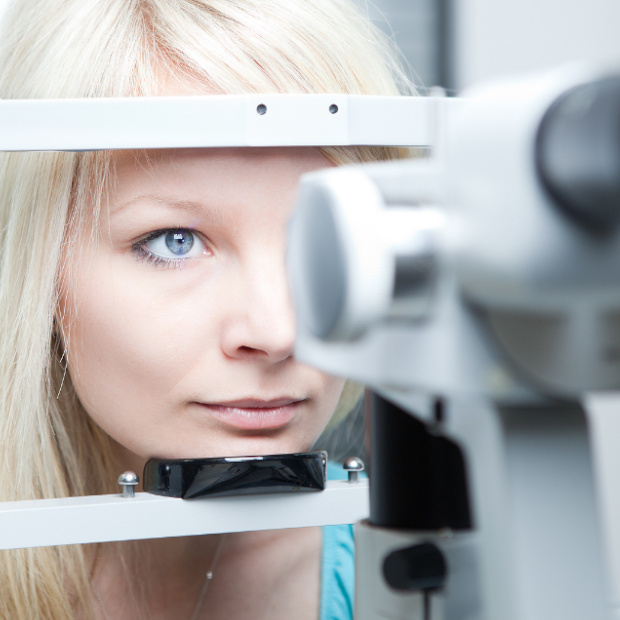
The eye is the one place a doctor can see your blood vessels directly
It can feel like an odd question at an eye appointment. You came in about your vision, and now you are being asked about your blood sugar and your medications.
There is a good reason for it. The back of your eye offers a view of your health that no other routine exam provides.
A Direct View of Your Blood Vessels
The retina contains small blood vessels and nerve tissue that can be observed directly, without any incision or imaging equipment beyond what sits in the exam room.
Because conditions that affect circulation throughout the body also affect these vessels, changes sometimes appear here before they cause symptoms elsewhere.
What Diabetes Can Look Like in the Eye
Elevated blood sugar over time can damage the delicate vessels of the retina, causing them to leak, swell, or close off.
Early on, this often causes no noticeable change in vision at all, which is why regular dilated exams are recommended for anyone living with diabetes.
What High Blood Pressure Can Look Like
Sustained high blood pressure can narrow retinal vessels, change the way they cross one another, or cause small areas of bleeding.
These findings do not replace a blood pressure reading, but they can be an early prompt to follow up with your primary care provider.
Other Things That Can Show Up
Eye exams occasionally reveal signs associated with high cholesterol, thyroid conditions, autoimmune inflammation, or changes affecting the optic nerve.
An optometrist is not diagnosing those conditions in the exam chair. What they can do is recognize something that warrants a conversation with your physician and make sure that referral happens.
Why Your History Matters Every Visit
Knowing your conditions, medications, and family history changes what your optometrist looks for and how closely they monitor certain findings.
Some medications also have known effects on the eye, which makes an accurate list genuinely useful rather than just paperwork.
One Exam, a Broader Picture
A comprehensive eye exam checks how well you see, and it also takes stock of how your eyes are holding up.
If it has been more than a year since your last one, book an appointment at Advanced Eye Care of Covington.